
 September 1, 2025
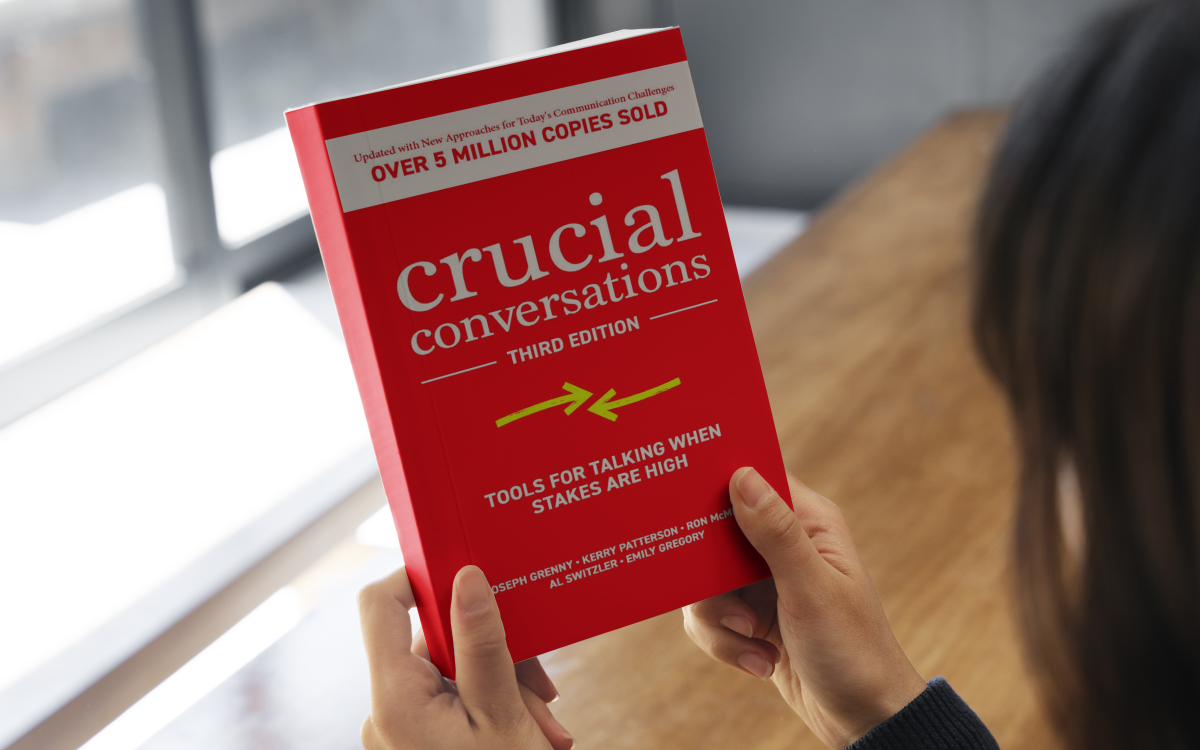
Crucial conversations are discussions where the stakes are high, opinions vary, emotions run strong, and the outcome significantly impacts your life. Most people either avoid these conversations or handle them poorly, but mastering them is essential for personal and professional success.
When conversations become crucial, most people fall into two traps:
🔻Silence: Withdrawing, avoiding, or masking honest opinions
🔻Violence: Controlling, labeling, attacking, or using verbal aggression
Both destroy dialogue and lead to poor outcomes.
The key is maintaining “safety” so everyone feels comfortable sharing their true thoughts. When people feel unsafe, they either withdraw or become aggressive. Other signs of lost safety include silence, sarcasm, defensiveness, or personal attacks.
Here are the main ideas from the book:
𝗦𝘁𝗮𝗿𝘁 𝘄𝗶𝘁𝗵 𝗛𝗲𝗮𝗿𝘁
▪ Focus on what you really want for yourself, others, and the relationship
▪ Ask: “What do I want to accomplish?” and “How would I behave if I really wanted these results?”
𝗦𝗧𝗔𝗧𝗘 𝗬𝗼𝘂𝗿 𝗣𝗮𝘁𝗵 (when sharing controversial views):
▪ 𝗦hare your facts (start with objective observations)
▪ 𝗧ell your story (explain your interpretation)
▪ 𝗔sk for others’ paths (invite their perspective)
▪ 𝗧alk tentatively (don’t present opinions as facts)
▪ 𝗘ncourage testing (make it safe to disagree)
𝗟𝗲𝗮𝗿𝗻 𝘁𝗼 𝗟𝗼𝗼𝗸
▪ Watch for safety problems and silence/violence patterns
▪ Monitor your own emotions and physical reactions
▪ Notice when dialogue turns into debate or withdrawal
𝗘𝘅𝗽𝗹𝗼𝗿𝗲 𝗢𝘁𝗵𝗲𝗿𝘀’ 𝗣𝗮𝘁𝗵𝘀
▪ Ask questions to understand their reasoning
▪ Mirror their emotions to show you understand
▪ Paraphrase their views to confirm understanding
▪ Prime the conversation when people are reluctant to share
𝗞𝗲𝘆 𝗧𝗮𝗸𝗲𝗮𝘄𝗮𝘆
The authors present a systematic approach to handling tough conversations. It provides a clear framework for handling the human side of leadership – something many technical leaders struggle with but is crucial for their success.
As the authors emphasize, these skills improve with practice and can transform both professional relationships and organizational outcomes.
This is a book I would highly recommend for tech leaders.