 September 1, 2025
The ways we led 5 years ago won’t work in today’s rapidly shifting landscape. Without intentional strategy, leadership becomes substitution—swapping one method for another without addressing deeper transformation needs.
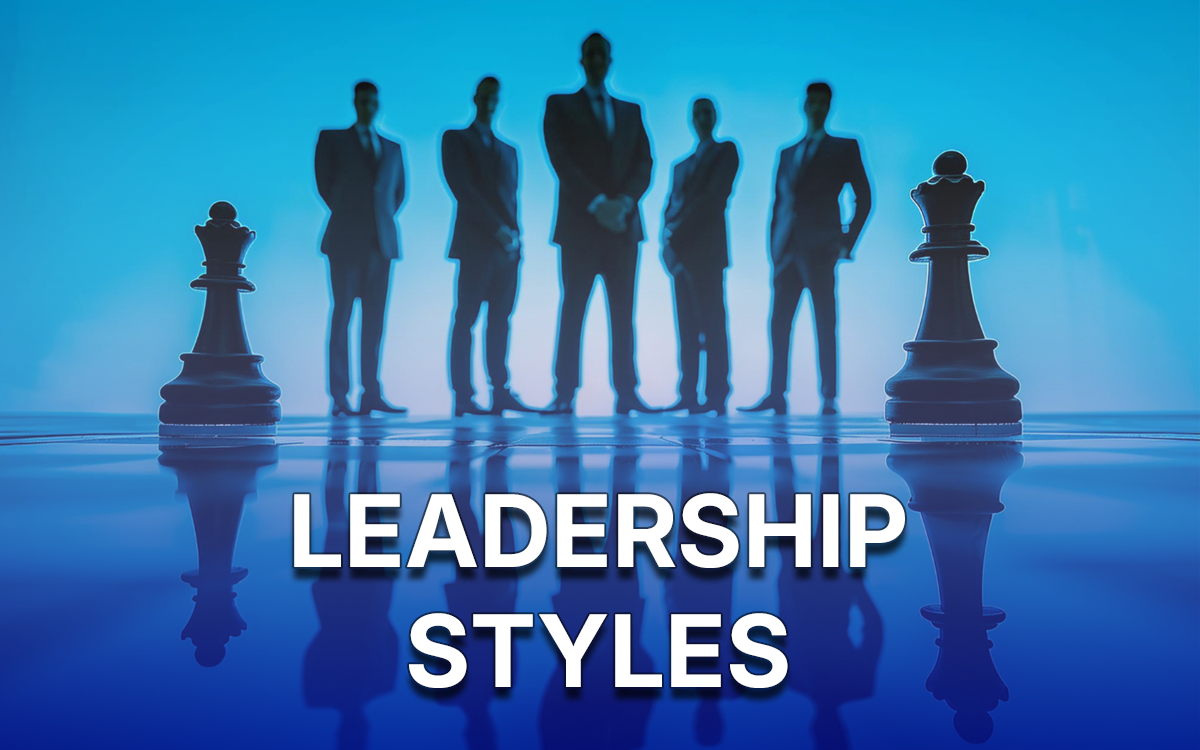
An interesting article in the “Forbes” magazine, talks of three Progressive Leadership Styles:
◾Style 1: 𝗞𝗻𝗼𝘄𝗹𝗲𝗱𝗴𝗲 & 𝗘𝘅𝗽𝗲𝗿𝘁𝗶𝘀𝗲 Traditional focus on technical mastery and competencies. While this created capable problem-solvers, it often overlooks emotional intelligence and relational skills needed for modern challenges.
◾Style 2: 𝗖𝗼𝗻𝗻𝗲𝗰𝘁𝗶𝗼𝗻 & 𝗖𝗼𝗹𝗹𝗮𝗯𝗼𝗿𝗮𝘁𝗶𝗼𝗻 Shifts focus to relationships and collective insight. The flip side – you miss out on strategically leveraging connections for a given “purpose”
◾Style 3: 𝗦𝗲𝗹𝗳-𝗔𝘄𝗮𝗿𝗲𝗻𝗲𝘀𝘀 Purpose & Well-Being Recognizes that employees are now consumers with choices. They want leaders who understand what matters to them personally, not just organizationally. This style aligns personal growth with business goals—creating evolution, not substitution.
Employees today aren’t convinced by mission statements alone. They want freedom to shape their work experiences while driving better outcomes. It is about prioritizing humanity along with the ambition.
The question isn’t whether leadership will change, but how 𝙞𝙣𝙩𝙚𝙣𝙩𝙞𝙤𝙣𝙖𝙡 we’ll be about driving that change.